You lost a third straight round after the bomb detonated, but eliminated four attackers. The surviving T weapon is strong; the other four opponents must rebuild around limited reserves.
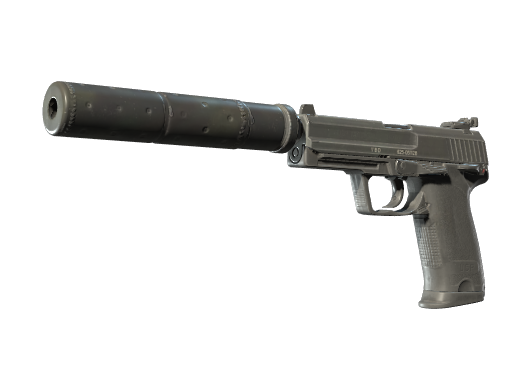
T side won, but four players need a costly rebuy
Weapon cards reflect the information available in this round. Unknown opponent equipment stays hidden.
Play the CS2 economy quiz: eco, force or full buy?
CS2 Economy Decision is a short buy-round game for reading team money, loss bonus, opponent equipment and round pressure. Choose the call that gives the team the best plan: save, half-buy, force buy or full buy. It is built for game sense, not gambling or a live betting prediction.
How to play
- Read the scoreline, side, five-player money split, loss bonus and opponent situation before spending anything.
- Choose ECO, HALF-BUY, FORCE BUY or FULL BUY based on the round objective and the next buy window.
- Review the explanation after each call, then keep the run alive or challenge a friend with the same scenario seed.
What makes a good CS2 buy decision?
A good buy is a team decision rather than the most expensive purchase one player can afford. The game weighs coordination, utility, the next full-buy timing, the opponent’s likely equipment and the urgency of the scoreline. A force buy can be correct in a high-leverage round, while an eco can be correct when one isolated weapon would only delay the team’s next proper setup.
How to read a CS2 economy scenario
Start with the future round, not just the current shop. Look for whether all five players can buy together, whether saved weapons change the calculation, whether the loss bonus is building, and whether the current round is important enough to justify a risk. The answer is always tied to the assumptions shown on the card.
- Team alignment: five connected purchases are usually more useful than one rifle surrounded by weak pistols and no utility.
- Loss bonus and next buy: saving can turn a weak current round into a stable rifle round; a force can be worth it when the present round has terminal or swing-round value.
- Opponent read: anti-eco weapons, saved rifles, a broken economy and a stable full buy all change the best call.
Authored round scenarios with explicit assumptions
Source: a curated CSWorth scenario dataset based on documented CS2 buy categories, equipment costs and loss-bonus concepts. Method: each record stores side, scoreline, team money split, loss bonus, opponent read, objective, accepted decision and explanation. The game is educational and contextual; it does not read a live match, predict win probability or claim that one buy is correct in every real round. Economy rules and prices may change after a game update.
Prepared and reviewed by the CSWorth editorial team.
- Source / reference
- CSWorth-authored MR12 economy scenario dataset.
- Reference detail
- Each of the 36 records carries side, scoreline, five-player money split, loss bonus, opponent read, objective, accepted decision, assumptions, answer rationale, rulesVersion and reviewedAt.
- Page reviewed
- September 4, 2026
- Update frequency
- Reviewed when CS2 economy rules, equipment costs or scenario assumptions change; no live match feed.
- Dataset coverage
- 36 authored scenarios · 8 rounds per run
- Data status
- Educational prepared scenarios — not live match data.
- Limitations
- The accepted call is tied to the money, score, opponent read and objective shown on the card. Real teams can choose differently, and game updates can change costs or rules.
- Correction process
- Report the scenario, displayed assumption and the rule or cost that appears wrong. The authored record is reviewed before changing its answer or explanation.
Frequently asked questions
What is the CS2 Economy Decision game?
It is a daily browser game where you read a Counter-Strike 2 round state and choose between eco, half-buy, force buy and full buy. Each answer includes the assumptions behind the recommended call.
What is the difference between an eco and a force buy in CS2?
An eco saves most of the team’s money for a stronger future buy. A force buy spends limited money to contest the current round, usually because the round is high leverage or the opponent’s economy can be disrupted.
When should I full buy in CS2?
A full buy is strongest when the team can coordinate core weapons, armor and useful utility without leaving one or more players stranded. The game shows the team money split so you can test that idea.
Is there always one correct CS2 economy decision?
No. Real calls depend on team agreement, map position, opponent habits and the match score. CSWorth only uses scenarios where the displayed assumptions support one primary educational answer, and the explanation states those assumptions.
Does this game use live CS2 match data?
No. It uses a prepared scenario dataset rather than a live match feed. The scenario snapshot and methodology note are visible so the game does not pretend to be a live economy tracker.
Can I play the CS2 economy quiz with a friend?
Yes. Create or join a Friend Play room to read the same buy scenarios with a friend. The room is a private game challenge and has no money, item or prize value.